About
6 kW - Solar Plant Installation is an excellent choice for homeowners or small businesses looking to significantly reduce electricity costs, lower their carbon footprint, and take advantage of renewable energy. A 6 kW solar system is typically ideal for homes with moderate to high electricity consumption. This can provide a significant portion of the energy needed for daily activities such as lighting, appliances, heating, and cooling. This system can be used to power irrigation systems, water pumps, and other agricultural equipment. 6 kW - Solar Plant Installation is versatile and can be used across a wide range of applications.
Reliable Energy Generation for Indian ConditionsDesigned to withstand the wide temperature ranges and diverse weather conditions found across India, this 6 kW solar plant ensures stable performance. Whether it's peak summer or cooler months, the panels efficiently convert sunlight to electricity, supporting daily energy needs with an average output of 24-30 units per day.
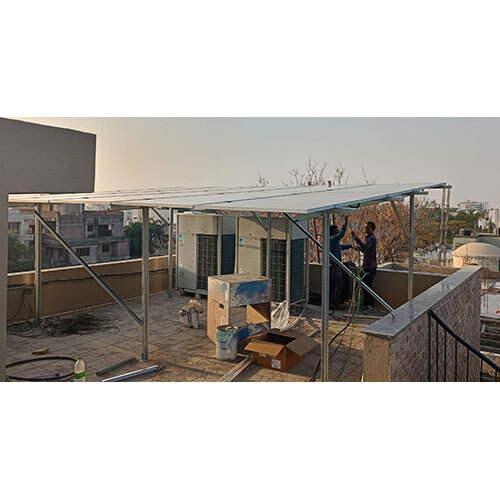
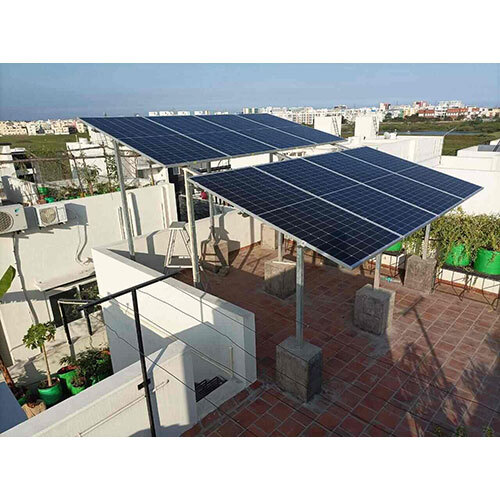
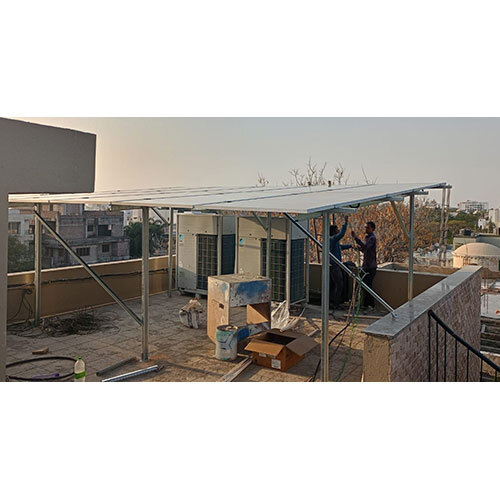
Versatile Installation OptionsChoose between rooftop or ground-mounted setups to best utilize your available space. The sturdy galvanized iron or aluminium mounting structures are engineered for longevity and resilience, making them ideal for urban rooftops or open land installations. Our team customizes the installation to suit your specific requirements.
Advanced Inverter TechnologyBenefit from superior energy conversion with your choice of string or micro inverters. These inverters efficiently manage the DC-to-AC power transformation for output voltages between 230-415 V AC. They not only optimize performance but also enhance system safety and monitoring capabilities.
FAQ's of 6 kW - Solar Plant Installation:
Q: How is the installation process for the 6 kW solar plant carried out?
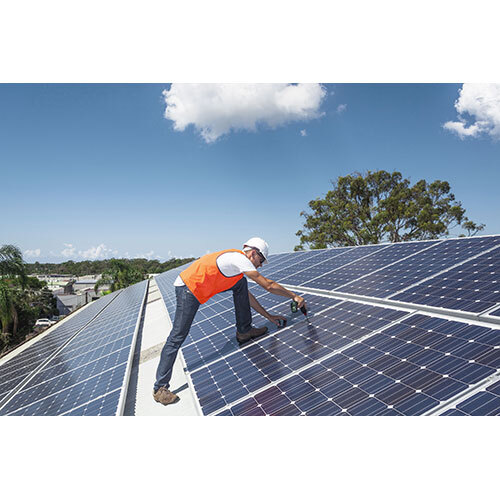
A: Installation begins with a site assessment to determine the best location-either rooftop or ground-mounted. Following that, our technicians mount the galvanised iron or aluminium structure, install the polycrystalline or monocrystalline panels, set up the inverter (string or micro inverter), and connect the system to your grid or battery bank. Safety checks and system commissioning complete the process.
Q: What are the main benefits of installing a 6 kW solar power system?
A: This system can generate 24-30 units of electricity daily, significantly lowering your electricity bills. It also reduces reliance on fossil fuels, contributing to a cleaner environment. Long-term, solar power provides energy security and increases property value.
Q: Which areas in India can your team install the 6 kW solar power plant?
A: Our service covers multiple regions across India. We provide installation for both urban and rural locations, customizing the project to suit local climate and space availability, whether on a rooftop or open ground.
Q: When does the solar plant produce maximum energy?
A: Peak generation occurs during sunny hours, typically between 10 AM and 4 PM. Performance may vary with weather and site conditions, but the system is designed to deliver optimal output under standard sunlight exposure within its specified operating temperature range.
Q: What types of solar panels and mounting structures are used in this system?
A: You can select either polycrystalline or monocrystalline panels, both offering panel efficiency between 16% and 20%. For mounting, we use robust, weather-resistant galvanized iron or aluminium structures, ensuring longevity and minimal maintenance.
Q: How can the energy generated be utilized in daily life?
A: The electricity produced can power household appliances, office equipment, or even feed surplus energy back to the grid (in on-grid setups). With output voltages of 230-415V AC at 50 Hz, it is suitable for various electrical needs.
Q: What inverter options are available, and how do they affect system performance?
A: You can opt for string or micro inverters based on your preferences and site requirements. String inverters manage groups of panels, while micro inverters operate on each panel individually, potentially improving efficiency in shaded areas and simplifying system monitoring.

 जांच भेजें


 जांच भेजें

 जांच भेजें


